AI Therapy
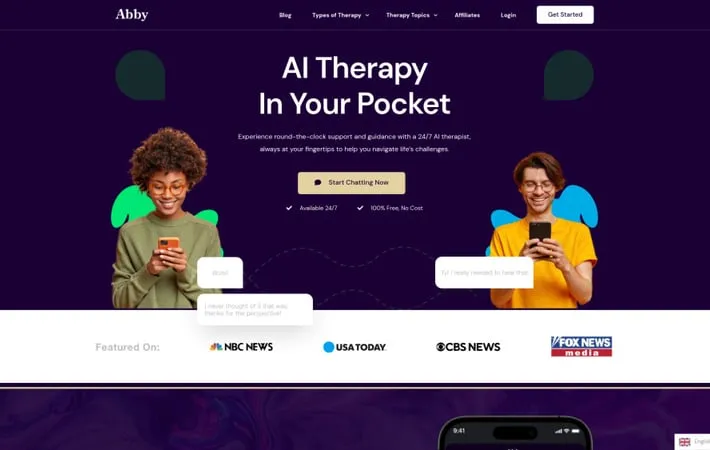
About AI Therapy
AI Therapy refers to the use of artificial intelligence to provide mental health support and therapy-like interactions. It typically involves conversational AI chatbots or virtual assistants that can engage in text-based dialogues with users, offering emotional support, coping strategies, and general mental health guidance. These AI therapists aim to be accessible 24/7, providing on-demand support to supplement traditional therapy. While not meant to replace human therapists, AI therapy tools seek to make mental health resources more available and reduce barriers to seeking help.
Key Features
AI Therapy utilizes artificial intelligence to provide 24/7 mental health support through automated conversations and therapeutic exercises. It offers personalized guidance, anonymity, and accessibility via mobile apps or web platforms. AI therapists use natural language processing to engage users in supportive dialogues, recommend coping strategies, and deliver evidence-based therapeutic techniques like cognitive behavioral therapy. 24/7 Availability: Access support anytime, anywhere through an AI therapist that is always available to chat. Personalized Support: Receive customized advice and recommendations based on individual needs and concerns. Anonymity and Privacy: Interact with the AI therapist privately from home, with anonymized and encrypted conversations. Evidence-Based Techniques: Utilize therapeutic approaches like cognitive behavioral therapy (CBT) through interactive exercises and dialogues. Multilingual Support: Communicate with the AI therapist in multiple languages for broader accessibility.
Use Cases
Daily Mental Health Check-ins: Use the AI therapist for regular emotional support and to track mood and well-being over time. Crisis Support: Access immediate help and coping strategies during moments of acute stress or emotional crisis. Supplement to Traditional Therapy: Utilize AI therapy between in-person sessions to reinforce techniques and maintain progress. Mental Health Education: Learn about various mental health topics and therapeutic techniques through interactive conversations.
Pros
Increased accessibility to mental health support Cost-effective or free compared to traditional therapy Available 24/7 without scheduling constraints Anonymity may reduce stigma and encourage seeking help
Cons
Lacks the nuanced understanding and empathy of human therapists May not be suitable for complex mental health issues or emergencies Potential privacy concerns with sensitive data Limited ability to build a therapeutic relationship compared to human therapists
How to Use
Sign up for an account: Go to the AI therapy website or app (e.g. Abby.gg) and create a free account by registering with your email address. Start a chat session: Once logged in, start a new chat conversation with the AI therapist chatbot. Describe your concerns: Type out what's on your mind and the issues you'd like help with. Be as open and honest as you feel comfortable. Engage in the conversation: Respond to the AI's questions and prompts. The chatbot will use techniques like CBT to guide the conversation. Complete suggested exercises: Follow any exercises or tasks the AI suggests, such as journaling or breathing techniques. Use regularly: For best results, engage with the AI therapist regularly - daily if possible. Many apps allow 24/7 access. Review insights and progress: Look back at conversation history and any progress tracking the app provides to gauge your improvement over time. Supplement with human therapy if needed: While helpful, AI therapy is not a full replacement for human therapists. Seek additional professional help if issues persist.
Official Website
Visit https://abby.gg/ to learn more.